Author: roszhart

  • Create Value Anywhere

    Create Value Anywhere

    A few years ago, God shifted my direction in work and ministry. I had begun to limit my thinking to specific jobs and life trajectories. As our family left California in the middle of 2020, I looked at possibilities for earning income to provide for my family.

    Coming from ministry jobs with a master’s in theology, I naturally looked for pastoral roles. My heart was tired, but I wanted to do something with purpose.

    It was in this season that my perspective of what I could do began to shift. My possibilities began to open up in how I saw my options for work and creating income. Though it was not how I’d envisioned my life going, I was moving in a direction of growth and opportunity that has continued to morph and develop as our family tries to walk faithfully before God.

    With the partnership of a supportive friend, we started a business in our living room while still mostly isolated from the COVID-19 pandemic. With calls on speakerphone and endless searching and reading of blog posts on how to form a business, we created an entity with some ideas and dreams.

    Not all of the dreams came true (surely not as fast as I’d expected them), but our business has found moderate success and been able to provide for our family. I’m extremely grateful for the opportunity to jump out and try something new—something that is limited by me and my performance, not a boss or organization.

    All along the way, I’ve struggled with imposter syndrome.

    Merriam Webster defines imposter syndrome as “a psychological condition that is characterized by persistent doubt concerning one’s abilities or accomplishments accompanied by the fear of being exposed as a fraud despite evidence of one’s ongoing success.” That is a pretty accurate statement about where I’ve been existing in the world of business.

    I feel like a fraud, faker or novice that doesn’t deserve the opportunities I’ve been given. I often don’t feel like I offer enough through my work to deserve pay. But is that true? How do I judge what value I create?

    Lies pour in and I begin to feel worthless. I’d have a bad week or three and begin to wonder what I’m doing. Whether being devalued by others or devaluing ourselves while comparing to others, we all feel undervalued at times.

    I come back to the question, What value do I bring to the world?

    How do we become valuable people to the world around us?

    On one hand, I want to bring value because that earns income. However, as I’ve learned, earning income exceeding the value you create is a lousy feeling. I want to bring as much value as I can to my world. I appreciate being compensated for my work.

    I want to become a value-creating human, but I’m up against my own negative inertia and some problems in our world.

    People Steal Value, Consume Value and Devalue.

    At this point in my life, I believe that to work is to create value. In the Christian (and Jewish) origin story, humans were created by God to work and tend a garden… before brokenness entered the world. I take that to mean that work is a morally-neutral, core human function. After sin entered the world, work was cursed, so that the ground was hard, thorns were interspersed, and work required sweat. Work is no walk in the park anymore.

    Creating value can be complicated too. Some people take shortcuts (well, most of us at some time or another). We can steal value that others have created. You could publish words that you didn’t write, which we call plagiarism. You can take goods you didn’t purchase, which we call stealing.

    Say I work hard for a few months to earn enough money to purchase a bicycle so I can make my commute to work easier. I finally trade my money for the value that the bicycle brings me—it’s a happy transaction. But then, two weeks later, someone breaks my bike lock and steals the bicycle I worked hard for. I’d be crushed. They received the valued bicycle but without the work to create value necessary to have it. I however am left having lost a valued possession and my net worth not reflecting what I worked honestly for.

    Humans can also consume more value than they create. Many of us like to judge but would love to be a trust-fund kid, living off an inheritance we didn’t have to work for. But something doesn’t sit right about someone who only consumes value in this life. We would hope that someone with basic necessities covered would still contribute to the world by using educational opportunities to research solutions to the world’s problems. We would hope they create beautiful art with their time or write novel words of poetry. Consuming food, energy and shelter while only using time to consume movies and media is no way to live.

    Another resistor to creating value is being devalued.

    Creativity faces many critics.

    Some critics, out of their own insecurities, will tear down the work of others with their words and behaviors to feel better about themselves. We cannot get hung up on someone else’s psychological issues when we are pursuing how we are to create value in the world.

    In our journey to be creators of value, we cannot steal work, disproportionately consume value or be brought down by detractors. We need a helpful source of creative energy.

    God Values You.

    I don’t say this lightly, because I am trying to preach this message to myself. Your value—your inner worth—is valuable because God values you. Christianity teaches that men and women are made in God’s image. We carry a valuable inherent in our being.

    Beginning with our inherent value is a powerful place to begin to see the value we can create.

    In the face of persecution, Jesus tells his followers, “So don’t be afraid; you are worth more than many sparrows” (Matthew 10:31).

    Worth. Inherent value. Being loved.

    Massive are the immaterial benefits of being humans valued by our God.

    When I look at my sons and watch them play, I find much joy and pleasure in who they are. They are smart, handsome, curious, fast and strong. I’m proud of them. I value them infinitely without them ever doing a thing for me. They are mine. I love them and enjoy seeing their joy.

    My story as a child of God is similar. I had nothing to offer him, but he loved me and wanted the best for me. John 3:16 makes a familiar but powerful statement: “For God so loved the world, that he gave his only Son, that whoever believes in him should not perish but have eternal life.”

    While offering nothing, I’m valued. From my value before God, I want to create value for my world. I’m trying different things, from giving focused attention to my sons and respectfully replying to emails in a timely manner. Part of how I’m creating value is to share with you, right now, how much you are valued.

    I’m on a journey to explore who I am, what I do best, where I create maximum value and when I should take certain risks. The journey is terrifying, exhilarating, and full of hope. Thank you for joining me on it.
  • Saving Bastille’s Pompeii

    Saving Bastille’s Pompeii

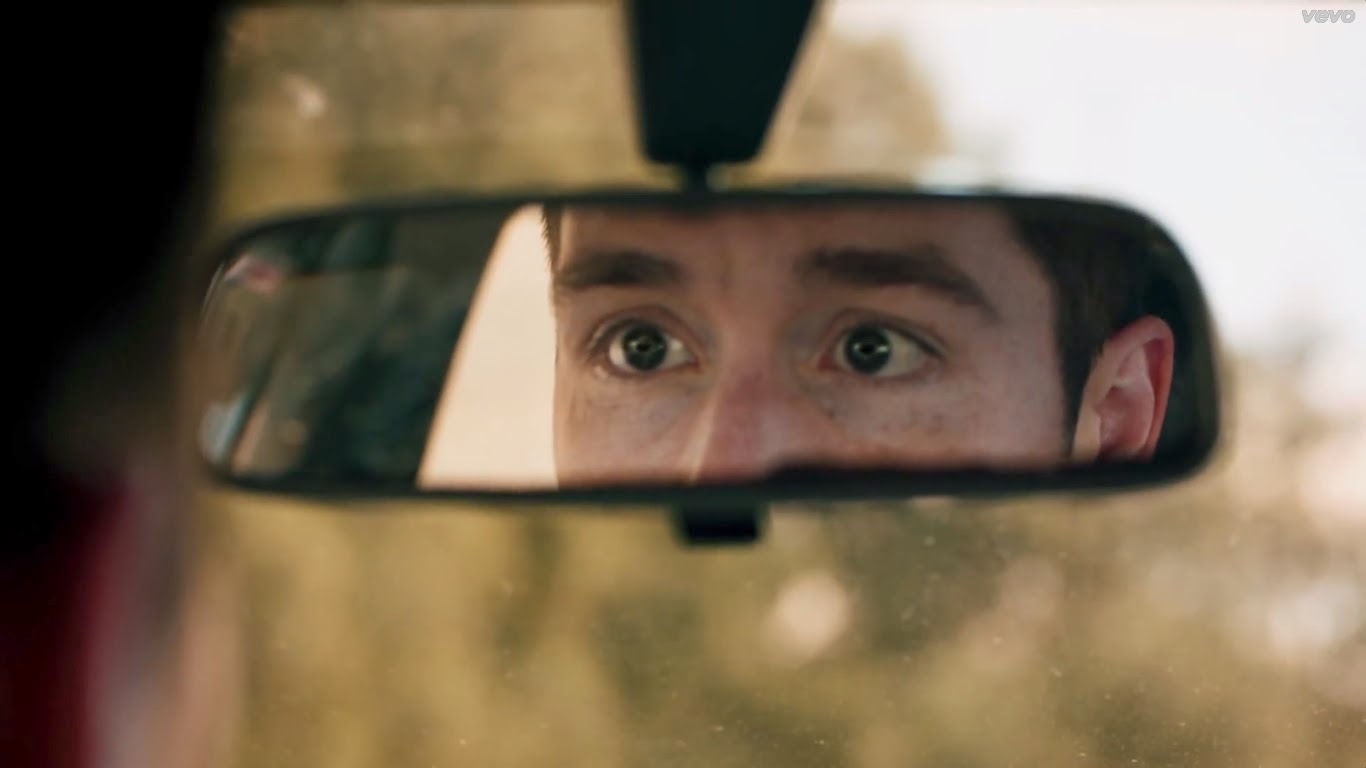
    The song was catchy, and that was all. Then I watched the music video, and it seemed weird, but somehow meaningful. I did some research and all interpretations were intriguing. I couldn’t get the song and video out of my head. In their popular song, “Pompeii,” the English alternative rock band Bastille had gripped my attention by a song that resonates with human experience. The music video begins with Bastille front man Dan Smith on top of a building overlooking the city of Los Angeles with glazed eyes.  He walks through streets littered by trash and grime. He encounters people who seem soulless. Their eyes are black pits, which seems to point to lives empty of vitality and meaning, pitifully wasting away. Smith’s character begins running. A panic hits him to try to escape the city. He makes it to the desert, only to discover his own eyes being blackened as he looks in the rearview mirror. The sickness caught him too. He ascends into the beautiful mountains only to be overcome with the same soul-emptiness signified by his now fully black eyes.

    In interviews, Dan Smith says the inspiration for “Pompeii” is imagining a conversation between two people being buried by the lava in the historic eruption of Mt. Vesuvius in 79 A.D. Merely listening to the song might allow someone to only picture the historic Pompeii, but in the music video, Smith clearly brings the significance of a city’s destruction to present day.Smith says he likes the historic stories because they resonate. “When I’m writing, I want the songs to be good—and memorable—but also to have a level of depth to them as well, and thought that goes into them.” Smith cares about his lyrics. Starting with a classic story, he gives depth of meaning and metaphors for what we experience in our world, such as the encounter with hedonism as told in “Icarus.” Bastille isn’t a shallow pop band. The music is popular worldwide, but the meaning and thought behind the songs is profound, often ironically contrary to the crowds dancing to them. Dan Smith is a thinker, and many of his other songs and music videos also reveal a gloomy reality. Every song on Bastille’s breakout album Bad Blood acknowledges human depravity. From “Flaws,” “Icarus” and “Pompeii” to “Bad Blood,” “Things We Lost in the Fire” and “Weight of Living,” the band feels the brokenness and pain of the world in which we live. The somber realism is revealed openly by even the song titles themselves, but deceptively concealed in catchy rhythms and tasteful melodies. Last October, Bastille released another song displaying the painfulness of reality. Though it is a mashup of two 90s dance songs, “Of the Night” by Bastille is shockingly somber. The music video for “Of the Night” is maximally depressing. Tracking a crime scene investigator through numerous scenes of homicide and suicide, the artistic work portrays a message of gloom in reality and interprets “night” both literally and figuratively. Dan Smith has a deep grasp that this world is dark, painful, bleak. “Of the Night” ends with the protagonist sitting in his own blood, a gruesome picture of another victim and leaving the viewer with a message of hopelessness. You can’t escape the rhythm of this world, of the night. Smith’s outlook on life resonates with me. I want to think we’re getting better at being humans—that is what the Enlightenment taught us—but I keep seeing destruction around me. We are so deeply selfish as human beings, and we ultimately find the problems we face in our world to be, yes, partly our doing. We cannot escape our own selves.

    Oh where do we begin? The rubble or our sins?

    Smith’s question surprised me when I heard his mention of sin. The term isn’t popular today. Most people think of picketers holding signs against homosexuality. Or if you’ve grown up in the church, you could think of how you’re not supposed to drink, smoke or chew or hang out with those who do. For me getting a degree in theology, the study of sin (hamartiology) is one of the richest topics. Whether you call it inherited dysfunction or original sin or collective insanity or maya or dukkha, something reigns in our being that isn’t pleasant, loving or generous.

    Smith sees problems and destruction in his world. Our modern-day “Pompeii” is plagued by being “caught up and lost in all our vices.”  If you descend and look at the streets, they’re littered by trash and inhabited by people wasting their lives unawares. We’re self-destructive. Dan Smith offers two starting points to work against the problems: clean up the rubble or attack our sins. Anyone thinking deeply about his question would see that he is pointing to sin as the root cause. The rubble comes from our sin, and we cannot clean up the trash and help the soullessness if we are corrupted. The significance of the black eyes in media normally points to demon-possession, a sort of loss of humanity as the soul is overtaken by an evil force. I interpret Smith to be showing how inescapable human selfishness is. Even if we do try to fix our sin as a root cause for the destructive eruption, we’ll find we cannot escape ourselves.

    How am I gonna be an optimist about this?

    In “Pompeii,” Bastille sings a request for optimism, a question asking for any hope in the midst of such gloomy circumstances. My initial response is to fight for optimism and not despair. The world’s not that bad, Smith! But the correct answer to the song’s central question might be, “don’t.”

    Don’t be an optimist about this. We are completely selfish leading to self-destruction. Sin is pervasive, corrosive and ruinous. Pompeii doesn’t stand a chance, because we’re all part of the problem. Even if we think we’ll escape the lava and burning ash in the city of vice, we will still lose our souls to the internal pandemic. Our human race is individually and collectively wretched. But God, who is rich in mercy, made us alive in Christ even when we were still dead in our transgressions. The great transition in one of my favorite chapters of the Bible, Ephesians 2, comes with the astonishing involvement of God in a bleak situation. The author Paul has acknowledged that we were all dead in our trespasses and sins, completely without hope. But God. Like the sun breaking through the clouds after a long thunderstorm or the first buds of green after a dreary winter, the two simple words show the only way I can “be an optimist” about this world. I don’t mean to overly spiritualize a pop music video or smack condemnation from the Bible, but for me, this truly is the only source of hope. I’m only 25 years old, but like Dan Smith, I profoundly connect with stories illustrating the death and destruction we find on the earth. The best answers I’ve found have been in the Bible: The heart is deceitful above all things and desperately sick. Who can understand it? Jeremiah 17:9There is no one righteous, not even one; there is no one who understands, no one who seeks God. All have turned away, they have together become worthless; there is no one who does good, not even one. Romans 3:10-12Only in Christianity have I found an adequate explanation for the pain we experience in life and an infinitely marvelous solution—that God Almighty, the Creator and Sustainer of the universe, would send His only Son out of His infinite love for us, and save us. How do you save Bastille’s Pompeii while “great clouds roll over the hills bringing darkness from above”? How do we save ourselves from our own devices? How do we escape a society where we are “caught up and lost in all of our vices”? Look for intervention from a source outside ourselves. The transcendent God who made us became one of us that he might save us—save us from spiritual death, from pervasive sin, from eternal punishment. Wow. God is good. For God so loved the world that He gave His only Son, that whoever believes in Him should not perish but have eternal life. For God did not send His Son into the world to condemn the world, but in order that the world might be saved through Him. John 3:16-17

  • Did You Catch One?

    Did You Catch One?

    “Did you catch one?” asked 4 year old Cameron as I reeled in my lure from the front of my grandpa’s pontoon boat.

    “No, not yet. But I’ve already caught five keepers, Cam,” I replied.

    I’d caught 6 fish in less than an hour—and I was not the only one catching anything—yet still Cameron wanted to see more fish catching, more action, more entertainment.

    Children often ask for more. You give one a cookie and she immediately wants another one, before she’s finished chewing the first. You throw a kid in the air to hear him tickled with glee, and then the first thing he says is, “Do it again!” …and again, and again. I may have more discipline now when it comes to asking for cookies or patience in fishing, but I’m still guilty of a childish desire for the next thrill.

    Sitting with my back against our dwindling campfire later that night, I told my cousin, “I want to see another shooting star.” We had just seen a meteor zip across the sky and explode in the earth’s atmosphere, but I wanted to see another. My verbalized wish was almost immediately granted with a quick flash across the night sky. Then I caught my next thought: it was “More!”

    As adults we may have more years than children, but we often operate on the same principles—only with more tact. We’re better at covering up our selfish desires and more subtle about our need for thrills.

    Driving up to Nebraska this week I had 10 hours alone in the car to reflect on my summer in Central America. I rejoiced in all the beautiful moments and sights and relationships, but I also had the same, old doubts resurface. Where is this God I’m trying to follow? Why don’t I feel him? Here I’ve just had a refreshing summer full of examples of God’s faithfulness in my life, but still I ask where he is.

    The key is remembering.

    The Bible talks often of remembering what God has done for us. Old Testament rituals and celebrations emphasized re-living miraculous works of God. Yet the Israelites still forgot God as quickly as he blessed them. Communion/The Lord’s Supper is a sacrament to remember what Christ has done for us, yet we still turn back to sin. I have to keep choosing to turn to God and remember what he has done for me.

    The morning of fishing and stargazing, I read Psalm 23. The psalmist says the shepherd “makes me lie down in green pastures,” “leads me beside still waters” and “restores my soul.” Here I was sitting next to my Grandpa’s green lawn and the glossy, still lake with a peace of soul. The last time I read the chapter I was in a bus headed into San Salvador. I’d read “Even though I walk through the valley of the shadow of death, I will fear no evil for you are with me.” Little did I know I’d end up staying in a dangerous part of town that night, but I was kept safe. It’s important for me to continually remember what God has done in my life. With my child’s memory I quickly forget the small blessings and miracles in my life.

    We need habits of returning our minds to God’s wondrous works, and often the best way is reading the Bible. Lord, help us remember what you’ve done for us.

  • Resting In God’s Amazing Grace: Summary of My Summer from the Side of a Volcano

    Resting In God’s Amazing Grace: Summary of My Summer from the Side of a Volcano

    For my last full day in Central America, I decided to hike Volcán Atitlán, the highest of three enormous volcanoes rising high above Lake Atitlán in Guatemala. Peaking at 11,600 feet in elevation, Atitlán towers 6,500’ up from the water with a steep grade for hiking
    Being a difficult hike isn’t the reason why so few people hike Atitlán; stories tell it is too dangerous because of people. They say that trekkers are extremely likely to get held up at gunpoint or knifepoint, that the gangs or thieves steal your stuff  and take your shoes so you can’t chase them. Well, I was up for it. I’m adventurous, daring, in shape from a month hiking in Costa Rica. I just planned to get robbed and was practicing in my head how to explain in Spanish that I only have water, food and Bible verses (while trying to hide the iPod touch).I set out after breakfast, excited for the day. I treaded quietly once I hit the trial, slightly paranoid about the stories (well, possibly more than slightly). I pushed up the mountain with a vigorous stride. I had a lot of ground to cover, a lot of work to do, to get to the top. Guatemalans working on the volcano also don’t seem to need switchbacks, so the trail was quite steep, feeding my ability to be an achiever in this hike.

    After an hour and a half of strenuous climbing I had a spectacular view of distant Volcán De Fuego and Acatenango beyond the wide plains and other mountain ridges, and the conical peak of Volcán Atitlán loomed above. The beauty stopped my quick pace to stare out at the scene and let the valley’s breeze cool my perspiration. I’ve seen a lot of beauty this summer, and on the eve of leaving Guatemala I’m glad to reflect back on it and enjoy some more.The volcanic rock trail was well used through the landscape, but not like recreational trails in National Parks. Coffee farmers, corn growers, woodcutters and lumber jacks use these trails, and there is a whole network of paths working their way up the mountain.

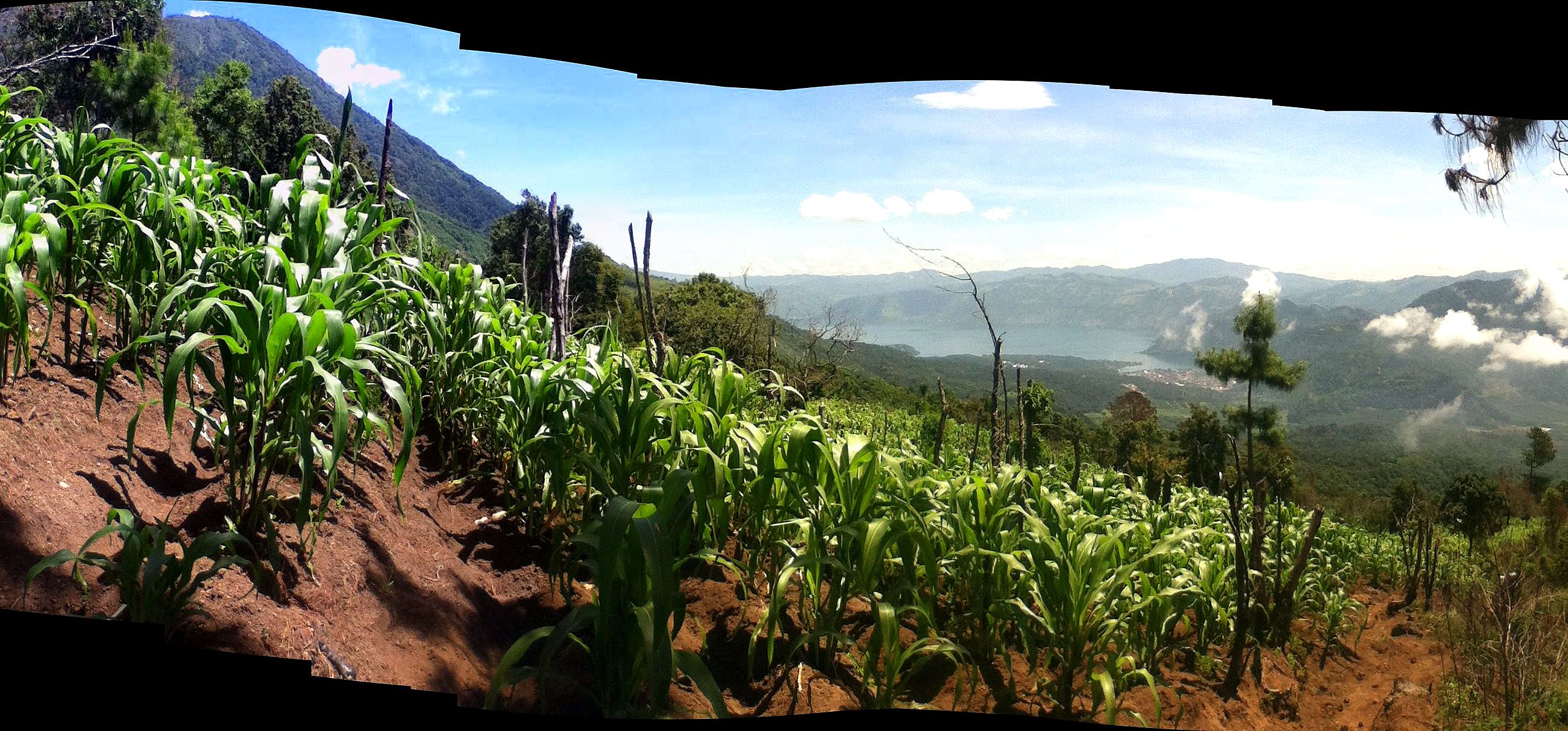
    Blazing my way past coffee, corn and avocados, I rose above the clouds. I wondered why the hiking trail was going through corn fields as I pushed the large, green leaves to the side. Chance would have it that I’d gone the wrong way. I got to the top of the highest field. I was only about 1,000 or 1,500 feet from the peak of this volcano, but I could not continue any further with no path through the thick brush and cloud forest.

    Hard-working Guatemalan in a volcano-side cornfield

    Oops.Then in the tall corn stalks I saw Francisco, working at 10,000+ feet—a two-hour uphill commute from his home. The hard-working Guatemalan explained to me in Spanish that I’d taken the wrong way up, and the trail for the peak was a quarter of the way around the volcano. I understood enough to know that it was a very long way back and I’d made a grave error in coming up this way.Running back down the trail I’d worked so hard to come up, I couldn’t help but be frustrated at myself for taking the wrong route. If only I’d gone the right way the first time. “Regresa” echoed in my head from Francisco’s instructions. You have to regress—to go back. If only I’d gone the right way the first time.It’s a lot easier to go the right way the first time instead of having to repent and go back.I was also frustrated that I probably wouldn’t be able to summit this volcano anymore. The setback from error was too critical to be able to make up enough ground before I’d need to head down before sunset and dinner. I kept hiking though, getting a fair bit further up the right path, and taking a few more wrong paths. I had to ask more Guatemalans for help. Some gave good guidance; some pointed me the wrong direction, making me appreciate the value of good advice. I had to call it a day before my legs got any weaker as I heard the thunderclouds drifting towards me. No mountaintop triumph today.

    I hiked enough to have gotten to the top if I’d taken the right path. I would have made it in time. But after taking wrong trails, there was no way I could get to the top. I hiked all day for one of the biggest hikes of my life, but I didn’t make it. Sitting with the truth of my limitation is not easy. I want to achieve. I want to get there by myself.Once I turned around to run back down, a fresh wave of joy hit me as I felt peace in not needing to get to the top. The journey has been beautiful, and that is enough. What a reminder to rest in God’s grace! Here on the last day of my summer sabbatical God reminded me that He is enough for me—His grace is enough—and learning to rest in that truth brings joyous freedom.I ran down the mountainside in amazement as my eyes and feet thought quickly to hit the right rocks and avoid the dangerous roots. Being reminded that I’m good enough without achieving anything, I began to sing out the beautiful, old hymn, “Amazing Grace.”

    Here are the words of the song with reflections on the themes of my summer:Amazing grace! How sweet the soundThat saved a wretch like me!I once was lost, but now am found,Was blind but now I see!Looking back on the past two months, I’ve been able to spend much time reflecting on the grace that is in my life. I meditated on God’s Word in the Jungle House. I memorized Ephesians 2:8-10 in three languages: English, Greek and Spanish. I experienced God’s blessing on my trip. Living in the city, it is easier for me to forget the grace I’ve been given, but away from the human-created urban world it’s harder to forget the God who made me. The more I think about grace, the more real it becomes… and the more I want to share it with others.T’was grace that taught my heart to fear,And grace my fears relieved.How precious did that grace appearThe hour I first believed.Even though I strive to fear God, I often fear man and strive to please them. Being in Central America provided me with time to remember God and to pray. I got away from big names, from big money, and from big things to do. I didn’t have to worry about my appearance, my clothing, my accomplishments. Grace is enough. Did I get to memorize scripture, study the Greek New Testament, and practice Spanish, according to my goals? Yes, but in freedom. I got experience freedom from the fear of man and relief from my normal busyness.Through many dangers, toils and snaresI have already come;‘Tis grace that brought me safe thus farAnd grace will lead me home.The hike was dangerous—I could’ve been robbed, broken an ankle, run out of water or been attacked by animals, but I wasn’t. God brought me through many dangerous circumstances this summer. Before leaving the US, I asked for prayers for health, for safety, and for protection from various temptations. God faithfully protected me from all kinds of sickness, disease, injury, crimes, and lusts. This is no small miracle for two months of traveling alone in Central America. Now I’ve been led home with habits of grace that I hope to continue until I reach my eternal home.When we’ve been there ten thousand yearsBright shining as the sunWe’ve no less days to sing God’s praiseThan when we’ve first begun.I spent the summer in some of the most beautiful places this world offers, in some of the most pleasant climates, with a most peaceful pace of life—but it wasn’t paradise. Life on this earth is still painful, lonely, uncomfortable, no matter where we go or how much money we have or spend. I look forward to a day when God reveals a new heaven and a new earth, and when the family of God comes together in glory.Thank you for all your prayers for me this summer. I have many people to thank for your support, advice, and encouragement. Above all, praise God for his grace in my life.

  • The Family of God: Who’s In?

    The Family of God: Who’s In?

    Adoption into the family of God is a beautiful thing, but how do we know who our relatives are? In my last blog post I wrote about finding Christian brothers and sisters during my time in Costa Rica. These heart-encouraging friends came as a refreshing contrast to those who didn’t believe as I do. But while these friends definitely felt like fellow adopted brothers and sisters, other acquaintances seemed like distant cousins. How do I know if they’re even in the body of Christ? Are they just odd family members or are they posers? Since we’re all adopted, it’s hard to tell who is in the family and who’s not (if anyone’s excluded…).

    Staff of Urban India Ministries

    Now I need to say very clearly: I don’t claim to know who is in the family of God. I can’t know who’s in God’s family, because I’m not God; that’s why this post is difficult for me to write. Yet I do know what God has revealed to us about the adoption process and the signs for who’s in the fam.

    Who’s in?

    The Bible explains that through our sin and disobedience to God, humankind was separated from God. “God is light, and in him is no darkness at all,” says 1 John 1:5. God had to separate us from Himself once we took on the impurity of sin, and there is no way we can overcome the distance by ourselves. Because of our sin, the only possible result for a righteous God was punishment with death. “But because of his great love for us, God, who is rich in mercy, made us alive with Christ even while we were dead in transgressions—it is by grace you have been saved,” explains Ephesians 2:4-5, revealing the beautiful redemption we can receive through Jesus Christ who died for us. So how do we get adopted? “Through Jesus Christ,” says Ephesians, in accordance with God’s pleasure and will. God wants us to be his family, and we can be… if we accept the offer. Jesus already died in our place, but the Bible tells us we must also humbly turn from sin—having faith that being in God’s family is worth following Jesus. 1 John 1:9 explains that “if we confess our sins, God is faithful and just to forgive us our sins and to cleanse us from all unrighteousness.” The simple but monumental step is the good news offered to us called the Gospel. I write about it often, but only because I can tell no more important story.

    Okay, so I get it… I believe that Jesus died for my sins and rose from the dead. Now what? How do you know I’m , that’s the tough part. We’ve all known way too many “Christians” who don’t act any different than anyone else. Yet the Apostle James says that “faith by itself, if it does not have works, is dead.” We’re supposed to be able to tell Christians apart because they obey the word of God—loving others, denying themselves, living generously. Jesus said, 

    Let me give you a new command: Love one another. In the same way I loved you, you love one another. This is how everyone will recognize that you are my disciples—when they see the love you have for each other.

    Christians are supposed to be marked by love. Historically, we often have been—Christians stand up for human life even when it’s mangled, imperfect, old, deformed, or dangerous to do so. Christians give up comforts to serve the poor. Christians die for the message they believe.

    Addressing Christian Universalism

    Why are not all people in the family of God? Why isn’t everyone saved? These are some difficult questions I’ve come to wrestle with through interactions here in Guatemala. Christian Universalism holds that all people will ultimately be reconciled God without any eternal punishment for sin. The view is extremely appealing. Who wants to believe that people are going to hell? Doesn’t that make God seem unloving?

    The questions are weighty; answers are not easy. Exclusivism is quite distasteful. Last week I sat in a metal school building discussing these ideas with a friend. As distant sunlight trickled in through the door across dusty concrete floors, we both felt the burden of differing theologies/beliefs about God and salvation.Looking to the Bible for truth, I’ve been studying Romans—a book I feel intimidated by for its dense theology. Romans 8 says, “There is therefore now no condemnation for those who are in Christ Jesus.” For those who are in Christ Jesus. In Christ Jesus. Everyone? No, it doesn’t seem so. Saint Paul writes that “Anyone who does not have the Spirit of Christ does not belong to him.” Hmm. He isn’t condemning anyone; instead, he is making clear that there is no condemnation for those adopted into the family of God through Christ.Paul is rejoicing in the grace given to those of us who believe. I still must soberly ask, what about the others? Will they not be saved? Why not? In the next chapter of Romans, Paul writes:What shall we say then? Is there injustice on God’s part? By no means! For he says to Moses, “I will have mercy on whom I will have mercy, and I will have compassion on whom I have compassion.” So then it depends not on human will or exertion, but on God, who has mercy.God chooses who will receive mercy? It seems unfair to my human way of thinking. I wish Paul wrote more about those who are not in Christ Jesus. Doesn’t the Bible also say that God “is the Savior of all people,” and “love never fails”? These are tough questions, yet I have to humbly hear Paul’s caution: “Who are you, O man, to answer back to God?” I’m limited in my thinking by my humanity. I don’t understand the ways of God; but if His Word says some receive mercy and some don’t, I have to stop questioning at some point and believe. I know belief in condemnation is not popular. I know it’s not “tolerant” of other religions and beliefs. I think I’d rather believe all will ultimately be saved, but the idea doesn’t sit well with me.I feel that universalism sucks the power out of the Gospel. If all will ultimately be saved, what’s the point in belief? What’s the point in following God in this life? Why all the talk about faith and belief in the Bible? Why all the commands? Wouldn’t it be easier to say, “Enjoy life and the fact you’re all okay.”?If all will ultimately be saved, I’m wasting my life trying to tell others about what I believe. It’s that simple; the point of Christian Universalism is pivotal for me. If I’m wrong, which I very well could be, then I’m causing people unnecessary trouble by preaching this Gospel. If I’m wrong, then I’m giving my heart unnecessary burden by praying for “the unsaved.”  But if my beliefs are in line with truth, then I absolutely ought to tell anyone I can that salvation is available to them. I absolutely ought to be less “open-minded,” because one way will prove to be right in the end. I’ve put all my chips in trusting Jesus Christ.     

    So there it is. I’m a mere human, so I don’t entirely understand the work of God. I appeal to the Bible because I don’t have anything else to hold on to. I don’t have any experience of the afterlife or any view into heaven. What I do have is what I believe to be the Word of God given to us in a written form, and it’s truer than anything else I’ve ever read. God is God. I am not. Jesus tells us the mysteries of God are such that He has “hidden these things from the wise and understanding and revealed them to little children.” Ultimately I have to trust God as my Father and rest in gratitude for the grace I’ve been given.

  • The Family of God

    The Family of God

    The body of Christ, as we call the community of those who believe in Jesus Christ, is more than a social group. A body is an intimately united and complex whole made of symbiotic parts. We need each other in the body of Christ; we by necessity have mutual dependence. We are family. I love being in my community with other believers in the United States, but this summer had a different objective for me.

    I chose to spend last month alone in Costa Rica. I came by myself. I rented a small, isolated house for solitude. Even so, I wasn’t trying to cut myself off from the Body of Christ. I need community. Coming to Costa Rica alone helped me experience Christian community in a new way, as I recount in the following observations and stories…

    When I am in a more secular context, the joy I feel when I meet Christians around the world is increased.
    When I find an English speaker, especially with a warm American accent, after having to communicate in Spanish or with body language, I can talk at ease; similar is the peace I find in conversation with another believer. Like the pride I feel for my country gazing upon the embassy of the United States of America, so the confidence I feel in my faith looking at a cathedral. We feel a connection with things familiar to us more poignantly while in a foreign context, but the connection to other Christians goes deeper–a connection of souls. 

    Characteristics of the Family

    The community of those who profess a belief in Jesus Christ is a family. We use familial terms—brother, sister, mother, father. We operate in a gift economy; we give tithes and gifts generously without requiring reciprocity. These are not commercial transactions (and shouldn’t be, for the church loses her identity when she becomes a business).In the family of God we can immediately trust each other and desire to get to know each other, even if we’ve never met, just as you extend yourself to someone who shares your blood and DNA at a family reunion. Churches are like the homes of my relatives—I’m welcome there, as if I belong and have part-ownership.

    I went to a couple of churches for a few weeks in a Costa Rican city near the Jungle House. No churches there were in English, so I found it a bit hard to follow the sermons and communicate with others. But I did find joy in the one day a week where I had an immediate community of people I’d never met. The Iglesias helped give me a sense of what the Lord told the Apostle Paul in Acts: “For I have many in this city who are my people” (18:10).

    Unexpected Brothers

    One evening after watching the sunset on the beach, a young, Californian surfer dude took notice of my Biola shirt. Immediately we were in a greatly encouraging conversation, discovering commonality of purpose in being here to learn God’s Word and sharing a joy for getting to be a part of His mission. I never saw James again, but our exchange heartened my spiritual life all week. Perhaps the best part of meeting James was that he introduced me to another “hermano”—a brother in Christ—Juan, whose fruit stand we had been standing under.

    Juan, a middle-aged Tico with a loveable potbelly and a gentle, irresistible smile in a stubble beard, quietly moves around his frutería as he works and interacts with buyers and sellers. One day while waiting for the bus I ducked under Juan’s canopy to avoid the rain and buy a plantain. I asked him very simply in Spanish, “So you believe in Jesus Christ?” His answer, as he put his hand over his heart and his eyes teared up with deepest sincerity, I will never forget: “Es mi todo.” When Juan, a man of few words, said “He’s my all,” he conveyed that Jesuscristo is all he lives for, all that has sustained him through hardship, all his hope in life. I’m trying to make him my all too.

    On another beach day, after talking with different people searching for spiritual significance apart from the God of the Bible, I stopped by Juan’s fruit stand and with sadness mentioned to him, “There aren’t many Christians around here.” Juan was the only other Christian I knew in town. He nodded with understanding, then gave me a reply that was the exact encouragement I needed, quoting Jesus’ words: “Where two or three are gathered in my name, there am I with them” (Matthew 18:20). That’s powerful. Even with different languages, cultures, backgrounds and ages, Juan and I had in each other a bond in Jesus Christ that stirs the soul.

    The Search for Donald

    The day I was discouraged by the lack of Christians in my little surfer beach town, I had actually been hoping to find a missionary from the U.S. who I’d heard about through a new neighbor. She said Donald and his young family helped transform a small community with love and described something about this family of Christians made her take notice. I was so desperate to find the brother in Christ I’d even asked a random guy at the coffee shop if he was Donald, perchance, thinking he matched the description I’d been given. I prayed the entire week that somehow I’d be able to meet Donald. I needed the encouragement of my family in Christ.

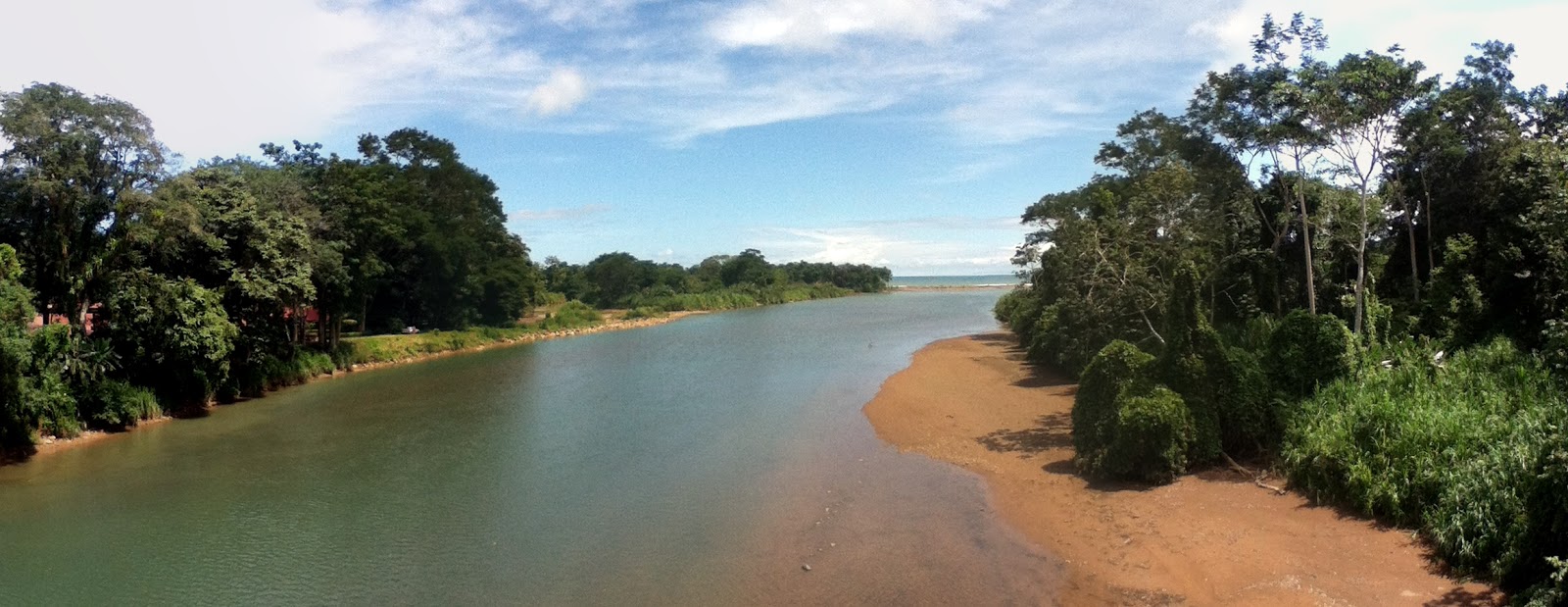
    On the eve of leaving my quiet corner of Costa Rica, I walked along the beach and stared out at where the river pushes itself into the ocean with colliding currents and waves. As the rains came and soaked my body and my jeans, I stood questioning why God wouldn’t let me meet Donald. I don’t know what gave me such a strong desire to find him, but I felt confident I would meet him and had not been able to. His phone hadn’t work when I’d tried to call; I couldn’t find him in the streets of the small beach town. Now I was wet and discouraged.

    Finally, the morning I was to take buses back to the capital, San José, I tried Donald’s number one more time. He picked up. I told him of our mutual friend, and inquired if we could meet before my afternoon bus. He told me he would be leading a basketball camp the next town over from the hostel where I’d stayed. Perfect! I walked the 4 kilometers to the school and came up to the group as complete stranger. But I was warmly welcomed by a pastor from the mission trip group working with Donald. I got to meet the team of Americans from a Baptist church in Georgia and talk with a few of their pastors—Oh how encouraging! I walked into a family reunion after only expecting to find one brother!Eventually I did get to meet Donald. With great gratitude to God, I got to share with Donald a love for Costa Rica and a heart for the people. Donald isn’t a missionary superstar; he’s more than aware he hasn’t been to seminary and his Spanish isn’t great. He calls himself an amateur, but humility is exactly what makes Donald exceptional. He’s a guy from the pews who followed his faith to the point of packing up his family and moving to a foreign country to love people with the good news of Jesus Christ. He’s faithful, and he has a heart for people.After a sincere, meaningful prayer with Donald, two of the pastors drove me back to get my stuff for the bus and listened to me tell stories of God’s faithfulness in my life as they blessed me with lunch and $20. I didn’t deserve any of it. I’m just a child of a God who has a whole lot to give.

    Ana’s Hospitality

    Back in San José that evening, I was again welcomed into Ana’s house. Ana is the one who left work to pick me up from the airport when I first arrived in Costa Rica, and helped orient me and get my bus to the jungle house. She’s wonderful, and is a sister in Christ. I’d never even met Ana before coming to her country; she welcomed me with motherly care because of an email from my aunt, who knew Ana when her family lived in Costa Rica as missionaries.

    Ana exhibited the best of hospitality while I was with her. She bought my dinners, made me impressive breakfasts, packed my lunch to-go. She gave up her room for me (though I didn’t know this for sure until I facebooked her nephew after I left). She worked her schedule around me, even taking two half days off work to show me around San José. She even gave me gifts: a coffee thermos and an LED keychain flashlight.

    Ana didn’t have anything to gain by her generosity to me. She was just being faithful to use her life and resources as God’s. I have a lot to learn about being in the family of God from a more mature believer like Ana.I love being in the family of God. I love the fellowship of other believers. I love that this community is spread all over the earth, where I can show up in countries and find that God has people there. The family of God transcends time and space. Indeed, much of my encouragement on this trip has been from writings of men of the Bible, long dead, or from prayers and emails from friends and family, who are in other parts of the world. Participation in the worldwide community of believers is a magnificent gift of encouragement for those who follow Jesus Christ.
    Perhaps the most beautiful thing about the family of God is that no one has earned her place in it. None of us deserve to be called God’s children or receive part in his inheritance. We’re all adopted. Ephesians 1:5 says, “In love God predestined us for adoption to sonship through Jesus Christ, in accordance with his pleasure and will.” Again, Galatians 3:26 tells us, “So in Christ Jesus you are all children of God in faith.” I don’t merit the benefits of being in the family of God. I’m adopted in, through my faith in Jesus, and I’m incredibly grateful to have such a wonderful family.

  • The End of Beauty

    The End of Beauty

    I wear on my right hand a ring that says “Bonvm Veritas Pvlcher,” Latin for “Goodness, Truth, Beauty.”

    The three words are sometimes called the transcendentals or the highest forms/ideas, or could even be considered final causes in teleology, studying the end goal or purpose of things. That’s some of the classical philosophy behind these lofty concepts. Goodness is good because… it is. Truth is… true. Beauty is beautiful… just because.

    Beauty is unexplainable; it is something to which other things point. Sunsets, music, mountains, art, fresh air—they all give us tastes of beauty.

    We all understand that beauty does something to us. It moves us, excites our souls, is sensed in our spirits. Beauty evokes words of wow and irrepressible smiles. 

    When we walk up to the edge of the Grand Canyon and the immense expanse fills our eyes, we can’t help but speak our amazement. At first sight the vast crater of Volcán Poás in Costa Rica, person after person says “¡Que lindo!” or “How beautiful!” When a child has her first bite of steak, her face lights up and a big grin creeps out. The music of Mozart played by an orchestra in a symphony hall forces one’s eyes to close in an experience of transcendence. Beauty gives us a sense that life is good, and we humans are drawn to it—desiring to get as much of the delightful experience of beauty as we can.

    I’ve been exposed to the most beautiful of worlds humans can create. Being employed in upscale restaurants meant commuting past magnificent homes in luxurious neighborhoods then working around more-beautiful-than-average people driving up in their eye-catching cars, wearing tasteful clothing and leaving handsome tips. Wealth in the city is very appealing, alluring, attractive.

    Costa Rica is overflowing in natural beauty. This country contains spectacular volcanoes, impressive mountains covered in tropical green, clean rivers with stunning waterfalls, and pristine beaches. The temperature is warm but not hot, the waters refreshing but not cold. The sun is pleasant but takes breaks for life-bringing rains and awesome thunderstorms.

    I like beauty. I find it exceedingly attractive. (naturally). Unfortunately, I often make beauty an end, a goal. I forget to go a step further.

    There’s an end to how much happiness beauty can provide us; it has its limits. Though many things contain value strictly because they contain beauty, beauty has not succeeded in satisfying me. I’m a seeker of goodness, truth and beauty. I’m adventurer in life. Yet for all the magnificent beauty I’ve been allowed to see, the high never lasts. My longing is never sated.

    Costa Rica is a slice of the world where people come on spiritual journeys. I came on one, though I know the God I seek. Men and women, young and old, come here to appreciate the beauty in this nation, and it’s a good place to visit.

    Ticos—Costa Rican locals—frequently use the phrase Pura Vida—literally, “Pure Life”—as a greeting, farewell, or just to say “what’s up?” or “sweet!” Here the phrase is used as the Hebrew Shalom, Sanskrit Namaste or even Hawaiian Aloha. Just as Shalom expresses the Jewish value of and longing for “peace,” or Namaste reveals the underlying Indian idea that “I bow to [the god in] you” or Aloha propels a cool, easygoing and friendly culture, so Pura Vida promotes a Costa Rican appreciation for a clean environment and a healthy, stress-free lifestyle.

    The appeal of Pura Vida draws people from all over the world, especially the United States, because we long to be free of busyness, of processed foods and of concrete jungles. We see in Costa Rica a return to the Garden of Eden. The coastal scene we call paradise. We all long for a more perfect world, so why not pilgrimage to the bio-diverse and eco-friendly Costa Rica?

    I’m guilty of being caught up in the idolatry of beauty. I may not seek after drugs for a high, but I do love a good adventure in a beautiful place. I like being around beautiful people, and I find wealth magnetically attractive. I like eating delicious and healthy food. I enjoy exercise. While these things may be good, when I fail to acknowledge the God behind the beauty, beauty ceases to please me; it can thrill no further. I’ve noticed that Costa Rican art revolves around Pura Vida and the natural wealth here… oddly similar to the way Indian art revolves around depictions of their various gods and goddesses. We pervert beauty when we make it an idol, when we worship something that contains beauty instead of the God who created it. Perversion never satisfies.

    We exploit beauty in other ways too—gluttony, pornography, adultery, over-exercise, drunkenness, laziness… for a few examples. Our sinful human brains just cannot seem to get it right, constantly taking good gifts from God like food, bodies, sexuality, alcohol and rest, and using them improperly or in excess. I try to find the most harmless, healthy “high” possible—and I got it coming to Costa Rica. But I didn’t become a superman. I didn’t transcend to a higher state of being. I found that beauty cannot satisfy.

    My ring, given to me by Biola Universtiy’s Torrey Honors Institute at graduation, reminds us of what we studied—a belief that the God-man Jesus Christ is the consummation of goodness, truth and beauty. God is good, and Jesus lived a perfect, sinless life. Jesus taught truth that runs deep through the veins of this earth, even calling himself the truth.  No act on earth has been as beautiful as the redemption Jesus brought about for us by his sacrificial death on a cross. Jesus is the be-all and end-all of this universe.

    Jesus Christ is all that I’ve found satisfying on this earth. I’m serious. Everything else leaves me empty. Only when I live according to the good instructions in God’s Word do I know peace. Only in reading and meditating on the Bible do I sense that I am studying the most profound truths of the universe. Only when I worship the God who created me and this beautiful world do I feel that my life is rightly ordered.

    As  I depart from Costa Rica today, it doesn’t mean the end of beauty; it simply means I have to look for it in other places–in smiles, in conversations with friends, in a good cup of coffee on a rainy day. Because God made our world, the undercurrents of beauty are everywhere. We ought to seek out beauty; it’s good. But we ought not hope that beauty alone will fill the cravings of our souls. Drink responsibly from the well of beauty, and remember your Creator.

  • A Prayer

    A Prayer

    Lord God, my Father,

    Thank you for your love. You are good and righteous, just and compassionate, holy and perfect. You are worthy of all the praise the world can bring you, even if we often ignore you or rebel against you. Thank you for being patient with us and loving us despite ourselves, knowing how hopelessly lost in our sin and selfishness that you would send your only Son to us, whom we killed, but by whose death we are freed from the due consequence of eternal death.

    Thank you for my family, for my friends—among your richest gifts to me. Thank you for making this beautiful world that brings me so much joy. Thank you for the gift of good food and the ability to make it. Thank you for health and safety, and please continue provide for me and to protect me from harm.

    Forgive me for my continued sinning against you. I should know what is your best for me, but still don’t always do it. Help me to fight temptation and win, that I may glorify you through obedience. Make my mind pure, my motivations blameless, my actions virtuous. You have made known to us the path of life, and I want to follow it to live life to the fullest. With your gentle discipline and your loving hand and your Holy Spirit, guide me into what is best for me.

    God, you know I come to you now with particular weight for those who don’t believe in you or think this world can somehow satisfy them. The pain in these souls burdens my heart. I feel a cloud of melancholy for them. You know those whom I have in mind. I have no power to change anyone, but you do. Please show yourself to them, God. Heal them, Lord. Cure their hardship. Help them believe in Jesus Christ as the only way you have provided to get back to you God—the way we were created to be and for which our souls long.

    Thank you for the opportunities I have to share your Word with others; please continue to use me for your purposes and to be an ambassador of reconciliation. Help me bear the burdens of my soul. I long for the day you bring about your kingdom and make all things new. Please send Jesus back quickly, because I feel the pains and groans of this earth for restoration.

    For your glory and in the name of Jesus Christ I pray,

    Amen.

  • Loving God Like I Don’t Love Surfing

    Loving God Like I Don’t Love Surfing

    Sitting on my board in the warm, clear Pacific waters off the coast of Costa Rica, I couldn’t help but smile at the privilege of being where I am. I love the beach (here, “la playa”), and I love getting out in the water fighting against some waves. It’s especially nice when you get to look back toward land and see tropical mountains covered in lush green—right up to the coconut palms lining the beach. You’d be tempted to call it paradise.

    On this day I had finally decided to use my entire day’s budgeted $10 to rent a surfboard. I really enjoyed surfing with friends in college, so I figured I couldn’t pass up the opportunity while I’m living near the beach of some of Costa Rica’s best surf, Dominical.

    I chose the 8’ board because I know I’m pretty novice, and definitely out of shape, then walked out to the beach with a new American friend. Paddling out, duck-diving through turbulent waves and swimming against the strong rip tides, I was quickly reminded how exhausting surfing is!

    But I persevered.

    “I’ve only got the board for a day, right? And all that lap-swimming I’ve been doing is for such a time as this!”

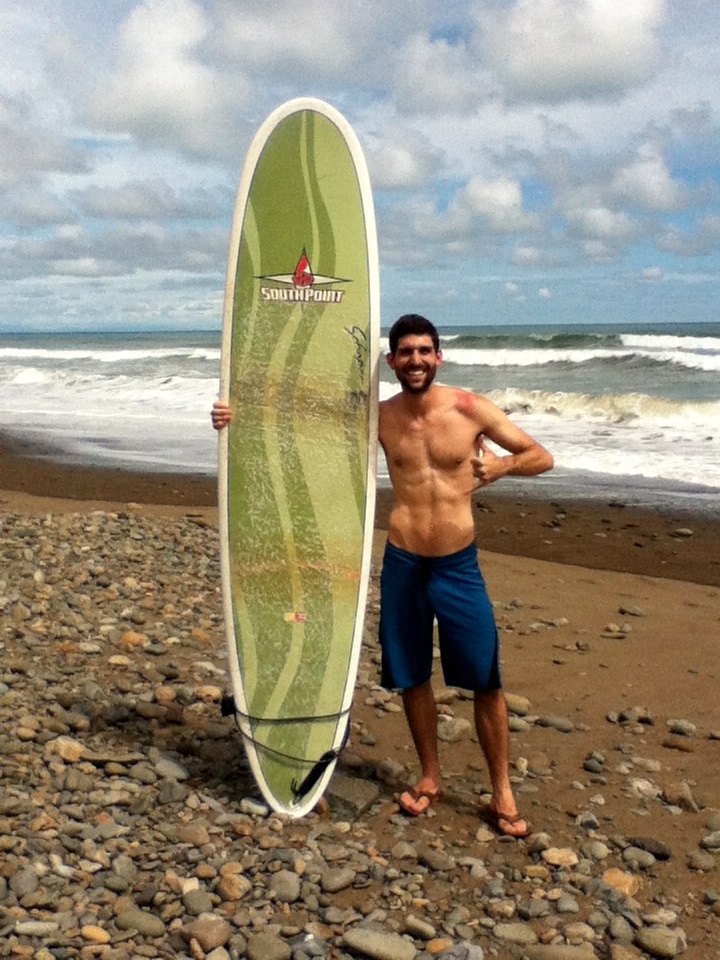
    Proving I can rent a surfboard in Costa Rica

    Wave after wave I’d watch go past me or go into me… I wasn’t really riding any of them.

    Contrary to common myth, surfing isn’t that much like snowboarding. There’s no lift to take you out to sea, and then your mountain either turns out to be a hill, or drops an avalanche on you to throw you swirling around in the salt water, trying to protect your head from getting hit by the board strapped to your leg.

    I’d been out in the ocean more than two hours (!), my arms were completely fatigued, my bare abdomen raw, and my hopes of catching a wave pretty low.

    Then there’s the social factor at play: you can feel all the other surfers are watching you and judging your skill. Pride reassures my mind with excuses: “I’m just out of shape.” “I’ve already been out here 2 hours.” “I haven’t surfed in more than two years.” “Can’t you tell I know which waves are good for me?” … but I’m still not riding any waves.

    Then I had a profound thought: I don’t really love surfing.

    Two-plus hours out in the ocean and I really hadn’t even been surfing. I’d been sitting on my board, watching waves, paddling around, enjoying the sun, sights and saltwater and watching other dudes surf. I was trying to surf, but was a frustrated failure.

    Then the other shocking realization: I often love God like I love surfing. I don’t.

    I like the challenge of the spiritual disciplines and the fulfillment they provide. I like the gifts God gives. I love the idea of grace, the commandment to love, and benefits of morality.

    I even love that my God is powerful, righteous, compassionate, creative, loving, fearful, just, relational, and good.

    But I often don’t love God Himself.

    Dr. John Coe (see previous post) writes,

    “the soul must learn to love God just for Himself in such a manner that He… is the center of all things.”

    Just as I would say I love surfing, even though I’ve spent numerous sessions without actually dropping in and riding a wave, I say I love God. Even when I’m not actually good at surfing, I appreciate the opportunities to experience beauty and to be in the ocean that surfing provides. Likewise, even when I don’t get a taste of God, I deceive myself into thinking I’m loving Him because I am surrounded by an encouraging Christian community or because the Bible spoke truth into my life.

    Though the analogy is admittedly weak, the idea helps me see the difference between loving God and loving all the things that surround Him while missing the essence.

    To bring the story a happy ending… yes, I did finally catch a wave. I spent over half an hour floating in the water next to my board, about done, and then the right wave happened to present itself. Suddenly, I was standing up on my board being propelled forward with all the hard-earned thrill that surfers dream of.

    (this is not me)

    I was truly surfing.

    I hope we all get the same experience of God. Keep pursuing Him. Keep reading the Bible and praying. Stay active in the local church and get discipled. It’s all worth it, because God is worth it. All the peripheral joys are great, but there’s nothing like actually experiencing God.

    Happy surfing!

    I have set the LORD always before me;

    because he is at my right hand, I shall not be shaken.

    Therefore my heart is glad, and my whole being rejoices;

    my flesh also dwells secure.

    You make known to me the path of life;

    in your presence there is fullness of joy;

    at your right hand are pleasures forevermore. 

    Psalm 16:8-9,11

  • Growing Pains

    Growing Pains

     God who is everywhere, never leaves us. Yet He seems sometimes to be present, sometimes absent. If we do not know Him well, we do not realize that He may be more present to us when He is absent than when He is present.

    –          Thomas Merton, No Man is an Island

    The last two weeks I’ve come to a painful realization of my lack of spiritual maturity.

    I don’t love God for being God.

    This is a tough thing to acknowledge for someone who has a lot of identity wrapped up in being a good Christian. I’ve done a lot of the right things to conform to the Christian culture; I’m even in Seminary, having dedicated my career to serving the Lord. People hope I’ll be successful as a Christian, including myself (whatever that means). But I’ve got a lot of growing to do.

    Coming to Costa Rica was my attempt to jump back from the cliff of doubt, despair and burnout in my faith, and to further prepare myself for ministry. Now that I’m here, I’ve found myself to not love spiritual disciplines. I find it hard to pray. Sometimes I have an aversion to God’s Word.

    Dark Night of the Soul

    The Dark Night of the Soul

    Many Christians are at least familiar with the term which comes from St. John of the Cross’s work, The Dark Night of the Soul, but we don’t really know how to recognize it or respond.

    For me, a night of the soul is a time that removes the guards I place between me and full devotion to God. I’ve got cushions—identities, securities, distractions—that keep me just safe enough from fully giving myself to God. Removing the padding is very uncomfortable.

    I’ve had my share of experiences which painfully kick out those crutches: being fired, leaving California, getting sick in India. These are times of great hardship, in part because I’m coming to the unappealing reality that I valued my job, my friends, or even my very life above the God who gave me life.

    Now I feel certain despair at my inability to create spiritual richness… to feel spiritual.

    Dr. John Coe, director of Biola’s Institute for Spiritual Formation, wrote an article that has resonated deeply with my experience. In it he writes,

    “Believers in a dark night… become aware of how little they really love God, how little joy they take in the spiritual disciplines. Yet they also perceive, with a kind of sadness, that the world and its pleasures cannot satisfy.”

    Yes, that’s it. I can try to read the Bible; I can try to pray. I can go on a hike with breathtaking views in places people call paradise. But none of it is satisfying if I’m not enjoying God.

    Coe goes on,

    “Though they certainly love God in the deep where the Spirit abides, they discover how little there is in their character that enjoys prayer and the Bible, how little they really love God characterlogically.”

    Exactly.

    The diagnosis is accurate, but what do I do?

    “Resist the temptation to spiritually fix oneself,”

    Coe advises, getting to a root problem of our spiritual pride. Instead of striving harder, I need to rest in God’s grace. This phrase is becoming a theme for my trip. Rest is a state of being, not doing. Humbly I must acknowledge my need for God and my absolute dependence on His grace.

    I’m learning to love God for who He is, even if it’s tough and shows me more of myself than I care to see.

    Growth is gradual; growth is tough. My Spanish is not suddenly fluent because I’m living in Costa Rica. I’m not suddenly more spiritual because I came here to study the Bible and pray. Out of my love for God I have to build a deep love for the Bible over a period of time, to build a habit of turning to God.

    “Be faithful to the spiritual disciplines,”

    Coe counsels those in the dark night,

    “despite the fact that practicing them may feel painful and lonely.”

    Because spiritual growth is a lifelong process, our faith requires diligent habits so that we can daily move forward while keeping Jesus Christ as our goal.

    If anyone would come after me, let him deny himself and take up his cross daily and follow me. For whoever would save his life will lose it, but whoever loses his life for my sake will save it. 
    – 
    Jesus